Android Everywhere?
Ask Bob Rankin"I've been hearing the word 'Android' quite often these days, in connection with mobile phones and other devices. What is Android, and why should I care about it?"
What is the Android Platform?
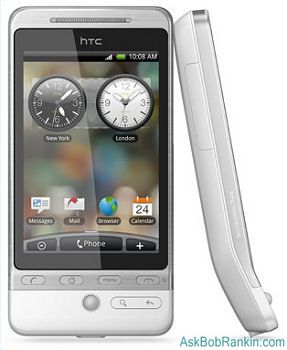 Simply put, Android an operating system, like Windows or Mac OS. It's based upon the Linux operating system and it's designed specifically for mobile phones. Android was the only product of a company called Android, which was acquired by Google in 2005. Google was buying everything in sight back then, but the purchase of Android started an enormous rumor mill churning.
Technology pundits speculated that Google was going into the mobile phonebusiness. That would be a great day for mobile phone users because, as everyone knows, Google offers all of its products for free! The greedy, extortionate phone companies would face competition and the cost of cell phone service would plummet. Hurrah!
Well, that didn't happen. Google does not make a mobile phone or offer mobilephone service, and it doesn't plan to do so. At least they aren't telling anyone, if they do have such plans. Actually, it's very unlikely that making phone hardware and all the hassles of building or operating a phone service network would fit into Google's Software-as-a-Service (SaaS) business model. But just the thought of Google giving away free phones and service got the regular phone players to cooperate in Google's plan.
Android - What's In It For You?
That Android philosophy is to make it easy and free for software developers to write wildly cool applications that will run on any Android-based phone. The explosion of innovation and creativity will produce better products at lower prices, goes the theory. The benefits of Android-based phones include a much easier to navigate user interface than other operating systems; a relationship with developers that encourages a vast variety of applications instead of putting each one through a corporate profit-wringer (e.g. Apple's App Store) before releasing it to the public; and lower prices.Another goal of the Android platform is to allow users to fully tailor the phone to their own interests. You can change the phone's homescreen, the style of the dialer, or use an alternate photo viewing application instead of the one that comes with the phone. And the Android Software Development Kit is meant to make it much easier for developers to write software for Android-based phones.
The first Android-powered phone to hit the market was the T-Mobile G1, which features Google Mobile apps such as Search, Gmail, Calendar, Maps, and YouTube. For what it's worth, friends of mine who have the G1 say that they love it. There's also a follow-up device, the MyTouch 3G. If you have an Android phone, you can download over 8000 free and paid applications such as games, productivity tools, and social networking apps at the Android Market.
Android Off To a Slow Start
So why isn't Android everywhere? To a certain degree, the philosophy has run afoul of the inherently greedy, monopolistic mobile phone industry. "By the end of 2009 there will be at least 18 phone models using Android worldwide, according to Google," says Wikipedia. Eighteen phones for an operating system that's been available for four years? Perhaps phone makers and the carriers are not thrilled about an operating system that they don't control completely, because that can limit profit potential.Case in point: Verizon cripples many of the phones they offer, so they can sell additional services. There is no WiFi on Verizon's Blackberry phones, because they want to sell you an expensive data plan. On an Android platform, this couldn't happen because the operating system is open source software.
Some of the Android phone manufacturers are firms you've never heard of like General Mobile, HighScreen, and Huawei. Some are big phone makers like HTC (T-mobile), Motorola, Sony Ericsson, and Samsung. Dell and Lenovo are two computer makers who are developing phoning platforms for computers using Android. But if those big companies were 100% behind Android, you'd think there would be a lot more phones and you'd see a lot more Android TV commercials. Android has only 3 percent of the mobile phone market as of this writing. The iPhone, by comparison, has 14 percent.
One bright spot for Android is the announcement by Motorola that they will be focusing heavily on Android, hoping to stem the tide of slumping sales. Two new Android phones will be announced by Motorola on September 10th. Sprint also announced their first Android-based phone, the HTC Hero, would be available in October.


No comments:
Post a Comment